
Some dogs turn heads the moment they walk into a park — thick necks, powerful jaws, and muscle rippling under a short coat. These powerful dog breeds carry a tough history: many were originally bred for bull-baiting, guarding estates, or, yes, dogfighting — a cruel practice that’s now illegal across the United States. But history isn’t destiny. Raised right, every breed on this list of fighting dog breeds is capable of being a devoted, gentle family companion.
Here are the 10 breeds most often labelled “fighting dogs” in the U.S. — and the real story behind their reputation.
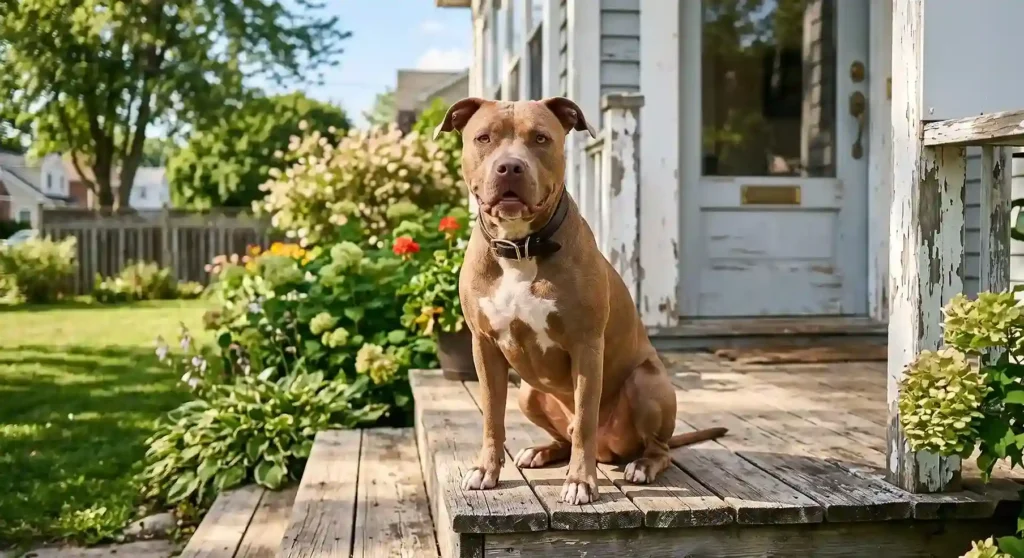
1. American Pit Bull Terrier — The Most Misunderstood Breed
No breed carries more baggage than the pit bull. Descended from bull-baiting dogs and later used in illegal fighting rings, the APBT has a rough past. But temperament studies consistently show these dogs scoring above average for friendliness toward people. With proper socialisation, they’re affectionate, eager to please, and famously good with kids — earning them the old nickname “nanny dog”.
Why they stand out: raw athleticism, a heart-on-sleeve personality, and an unfair reputation they don’t deserve.
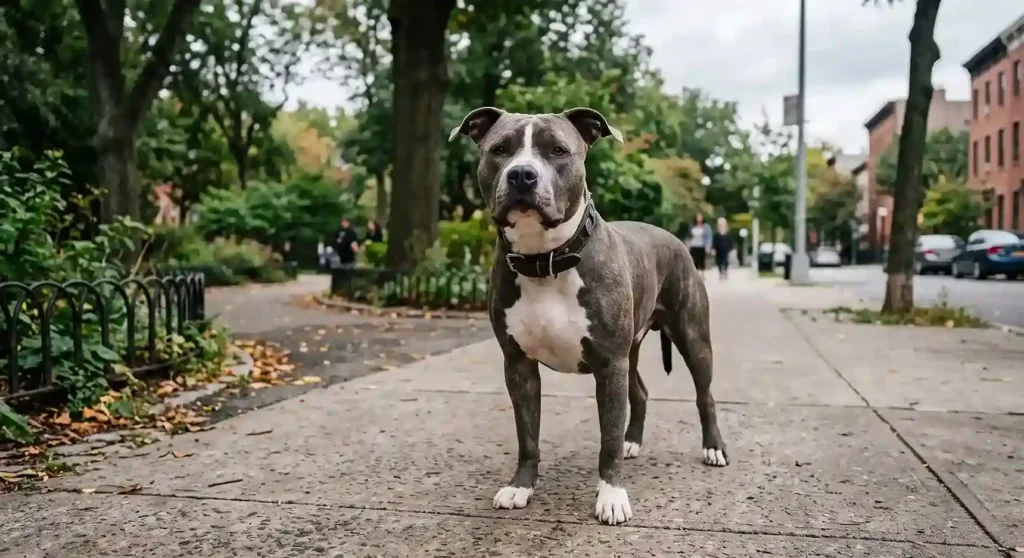
2. American Staffordshire Terrier — The Confident Companion
A close cousin to the pit bull, the AmStaff was bred up as a show and family dog, while the APBT lineage stayed working-class. Stocky, muscular, and endlessly confident, these dogs thrive on structure and attention. They’re playful, loyal, and surprisingly gentle with their people.
Why they stand out: a compact powerhouse build paired with a clownish, affectionate streak.
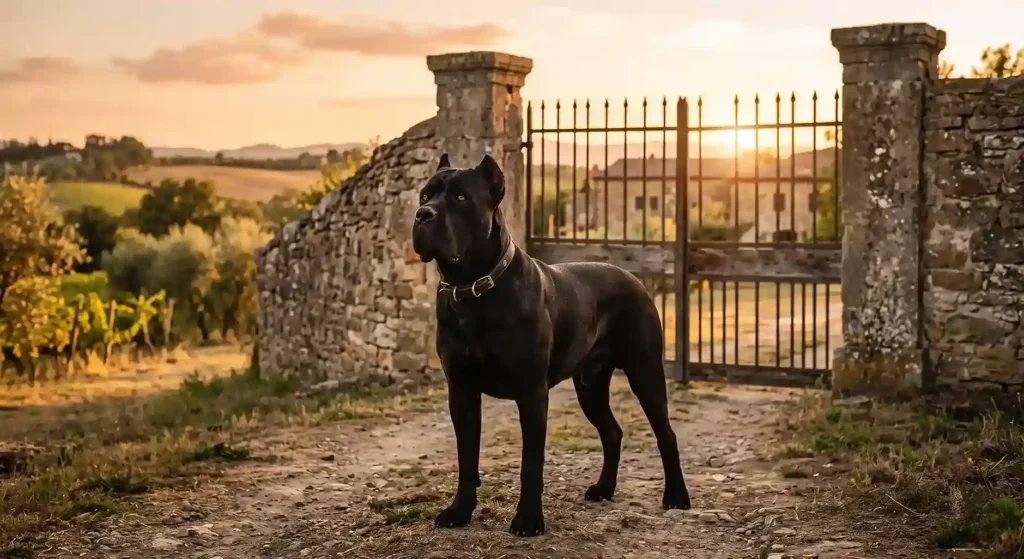
3. Cane Corso — The Italian Guardian
Descended from Roman war dogs, the Cane Corso was bred to guard property and hunt large game. Today it’s one of the most popular guard dog breeds in the U.S. — intelligent, calm, and deeply bonded to its family but naturally wary of strangers.
Why they stand out: an imposing frame, quiet confidence, and near-unshakeable loyalty.
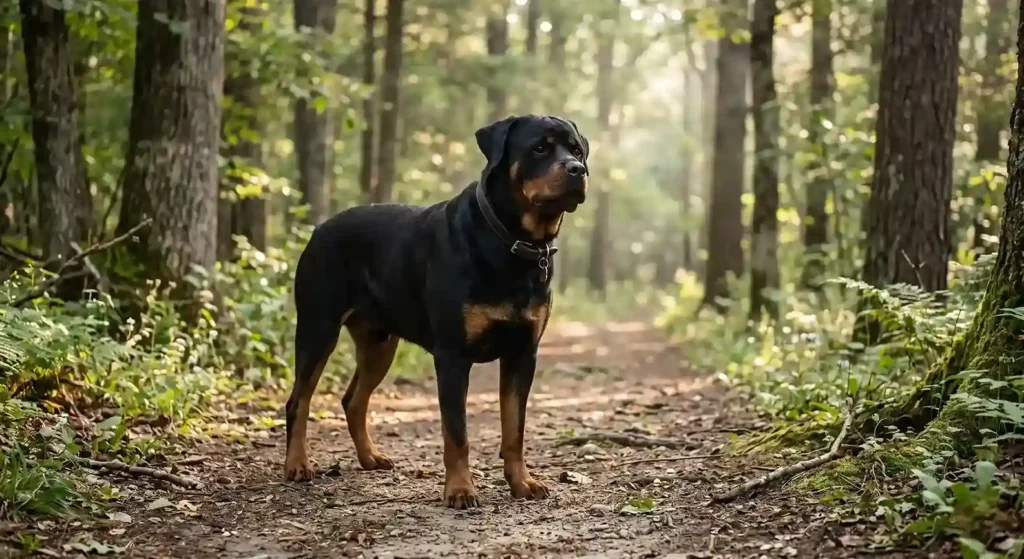
4. Rottweiler — The Steady Protector
Rottweilers descended from Roman cattle-driving dogs and later worked as guard and police dogs. Their strength and intensity have unfairly landed them on “dangerous breed” lists, but well-socialised Rotties are famously calm, obedient, and gentle with children.
Why they stand out: a rock-solid temperament under a genuinely intimidating frame.
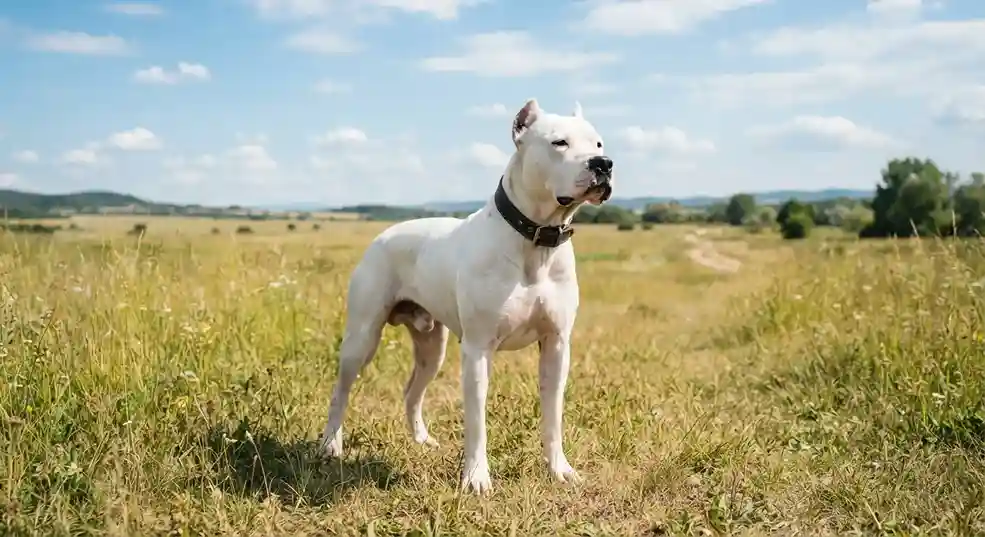
5. Dogo Argentino — The Big-Game Hunter
Bred in Argentina specifically for hunting wild boar in packs, the all-white Dogo Argentino is powerful, athletic, and fiercely loyal. It’s banned in several countries due to its strength, but in the U.S. it’s prized by experienced owners as an affectionate, protective companion.
Why they stand out: pure muscle wrapped in a sleek, athletic build.
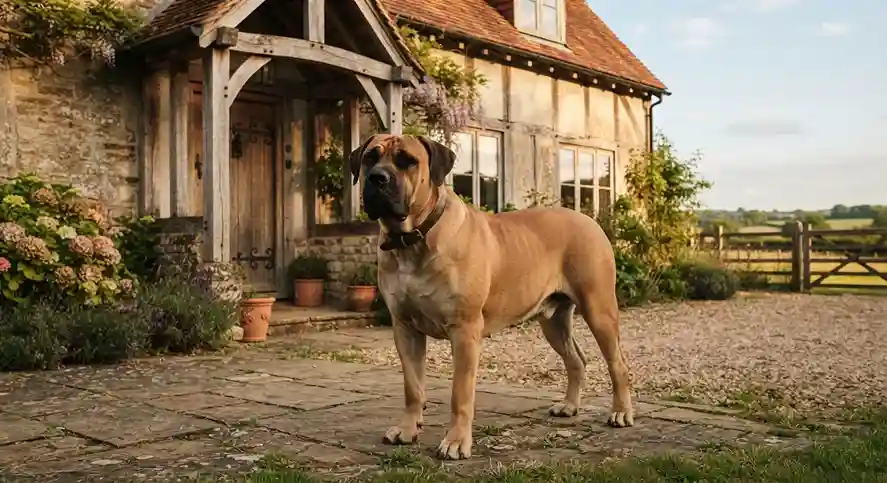
6. Boerboel — The South African Powerhouse
Bred to guard homesteads against predators as large as lions and hyenas, the Boerboel is one of the largest and most powerful mastiff-type breeds. Despite the résumé, well-raised Boerboels are known for being calm, patient, and deeply attached to their families.
Why they stand out: massive bone structure and an unmatched guarding instinct.
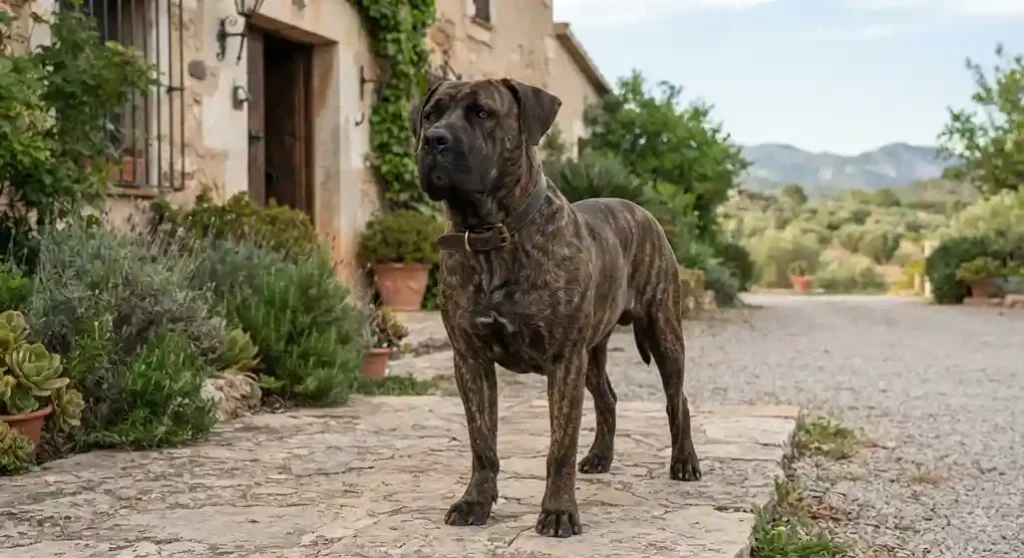
7. Presa Canario — The Silent Sentinel
Originating in the Canary Islands as a farm and guard dog, the Presa Canario is broad, muscular, and naturally protective. It’s not a breed for first-time owners, but with an experienced, consistent handler, it becomes a calm, watchful presence in the home.
Why they stand out: a low-key demeanour paired with serious physical presence.
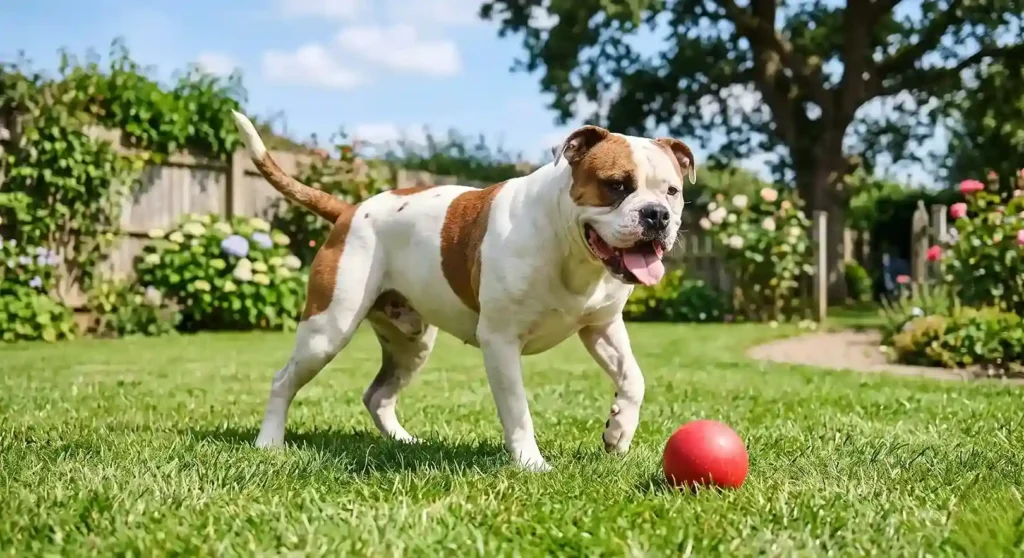
8. American Bulldog — The All-American Athlete
Bred on Southern farms to catch livestock and guard property, the American Bulldog is broad-chested, powerful, and full of energy. They’re playful and affectionate with their families, often acting more like an oversized lapdog than a working farmhand.
Why they stand out: a stocky, athletic build with a goofy, people-loving personality.
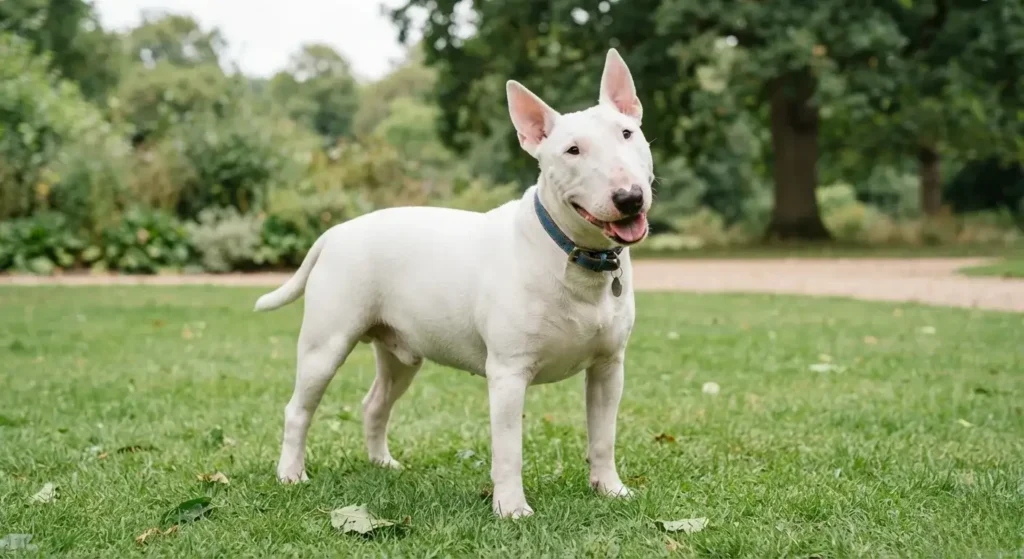
9. Bull Terrier — The Egghead Original
Instantly recognisable by its egg-shaped head, the Bull Terrier was originally developed for bull-baiting and pit fighting before becoming a gentleman’s companion in Victorian England. Today it’s known more for its clownish energy than any aggression — a comedian in a muscular body.
Why they stand out: a one-of-a-kind silhouette and a mischievous, high-energy personality.
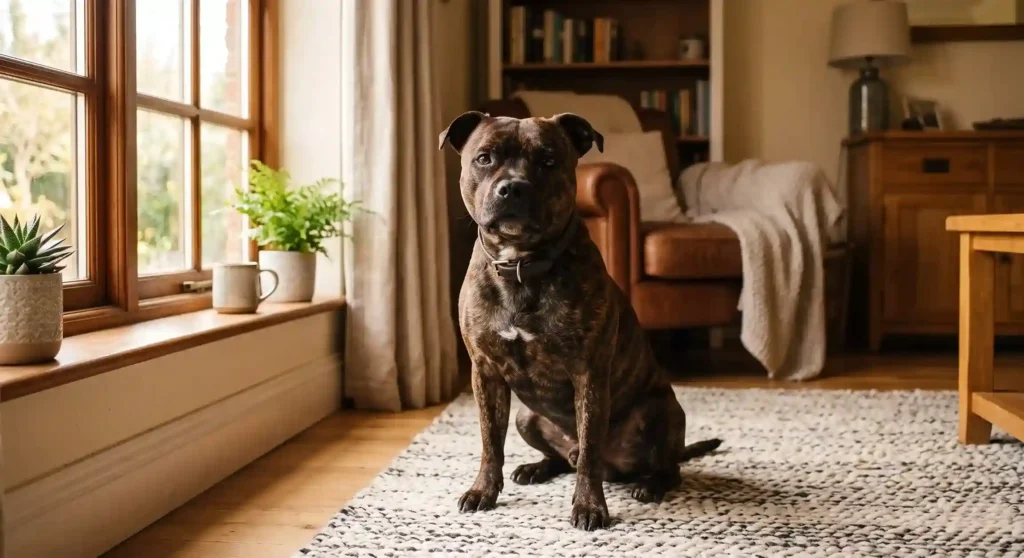
10. Staffordshire Bull Terrier — The Nanny Dog
Smaller than its American cousins, the Staffy was bred in England for bull-baiting and later pit fighting. British families have long trusted the breed around children, earning it the nickname “nanny dog”. They’re compact, muscular, and famously affectionate.
Why they stand out: big personality and gentleness packed into a smaller, athletic frame.
Final Thoughts
Labelling these breeds “fighting dogs” tells only half the story — and it’s the ugliest half. Every breed on this list has a history rooted in a job humans gave them, whether that was baiting bulls, guarding livestock, or hunting big game. None of it defines who they are today. Temperament comes down overwhelmingly to breeding, socialisation, and training – not genetics alone.
Dog fighting is illegal in all 50 U.S. states and a federal felony under the Animal Welfare Act. If you suspect fighting or abuse, report it to local animal control or the ASPCA. These breeds deserve responsible owners, early socialisation, and a job to do — not a fighting pit.
Frequently Asked Questions (FAQ)
Q1. Are pit bulls the most dangerous fighting dog breed?
Ans. No. Temperament testing by the American Temperament Test Society shows pit bulls pass at a higher rate than many popular family breeds. Aggression depends far more on breeding, training, and socialisation than on breed alone.
Q2. Which fighting dog breeds are banned in parts of the US?
Ans. Breed-specific legislation varies by city and state. Some municipalities restrict or ban pit bulls, Dogo Argentinos, and Presa Canarios. Always check local ordinances before adopting.
Q3. Are American fighting dog breeds legal to own?
Ans. Yes — owning any breed on this list is legal in most of the U.S. Dogfighting itself, however, is illegal in all 50 states and a federal felony under the Animal Welfare Act.
Q4. What is the strongest fighting dog breed in America?
Ans. By bite force and build, the Cane Corso, Boerboel, and Dogo Argentino rank among the most powerful. Strength doesn’t equal aggression — all three can be gentle family dogs with proper training.
Q5. Can fighting dog breeds live safely with children?
Ans. Yes, with early socialisation and supervision. Breeds like the Staffordshire Bull Terrier and American Pit Bull Terrier have historically been considered excellent, patient family dogs.
Q6. How much exercise do fighting dog breeds need daily?
Ans. Most of these breeds are high-energy working dogs and need 45–90 minutes of exercise a day, including walks and mental stimulation, to stay calm indoors.
Q7. Do fighting dog breeds require special training?
Ans. Yes — early socialisation, consistent obedience training, and an experienced handler are strongly recommended, especially for larger breeds like the Cane Corso, Boerboel, and Presa Canario.
Also read: 7 Big Dog Breeds That Are Total Gentle Giants | 7 Most Muscular Dog Breeds Built for Power